Childhood
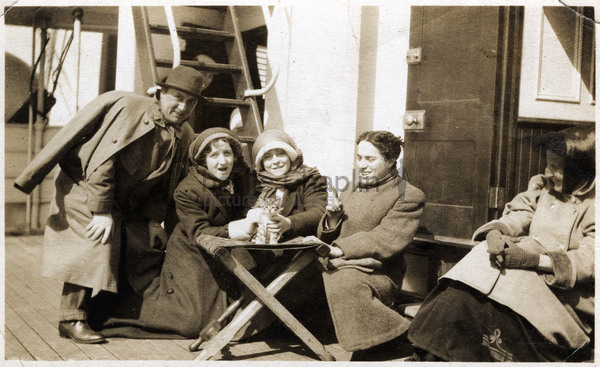
Charles Spencer Chaplin was born in London, England, on April 16th, 1889. His father was a versatile vocalist and actor; his mother, Lily Harley, was an actress and singer in light opera. His father’s early death and his mother’s illness forced Charlie and his brother Sydney to fend for themselves before the age of ten.
Beginning of His Career
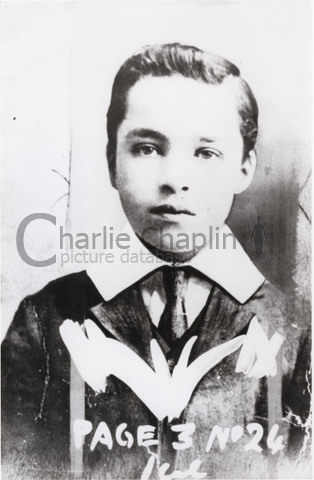
At twelve, Chaplin acted as Billy the page boy in 'Sherlock Holmes'. He later became a comedian in vaudeville, joining Fred Karno’s troupe, which brought him to the United States in 1910. His performance in 'A Night in an English Music Hall' made him popular with American audiences.
Keystone and Rise to Fame
In November 1913, Chaplin joined Mack Sennett’s Keystone Film Company. His first film was 'Making a Living' (1914), but his Tramp character debuted in 'Kid Auto Races at Venice' (1914). His overnight success made him one of cinema’s most recognized comedians.
Essanay and Mutual Years
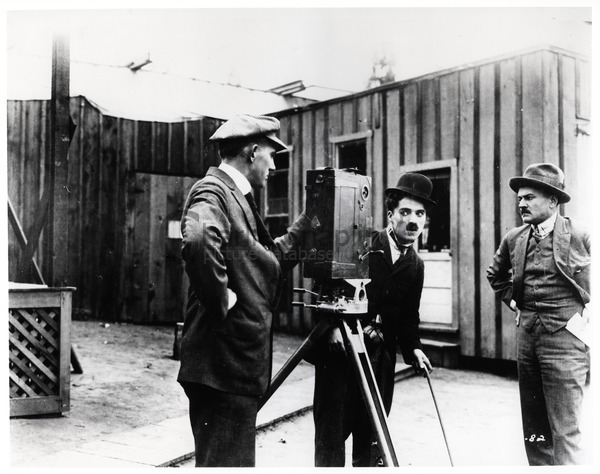
Chaplin signed with Essanay in 1915, then with Mutual in 1916, producing twelve two-reel comedies including 'The Floorwalker', 'The Fireman', 'The Pawnshop', 'The Rink', 'Easy Street', 'The Immigrant', and 'The Adventurer'.
Independence and United Artists
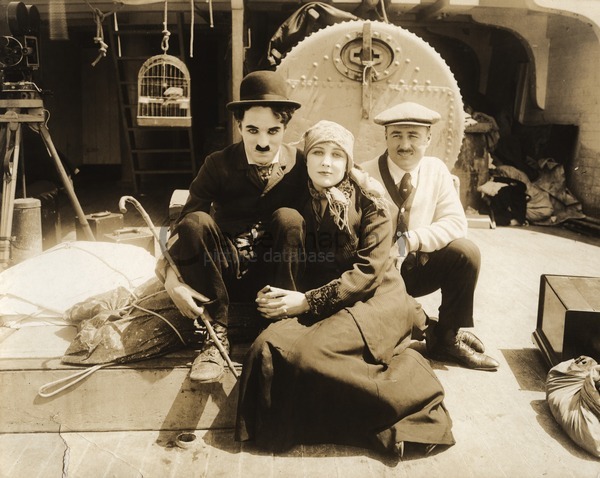
In 1917, Chaplin became an independent producer and built his own studio in Hollywood. In 1919, he co-founded United Artists with Mary Pickford, Douglas Fairbanks, and D.W. Griffith, giving stars control over their productions.
Masterpiece Features
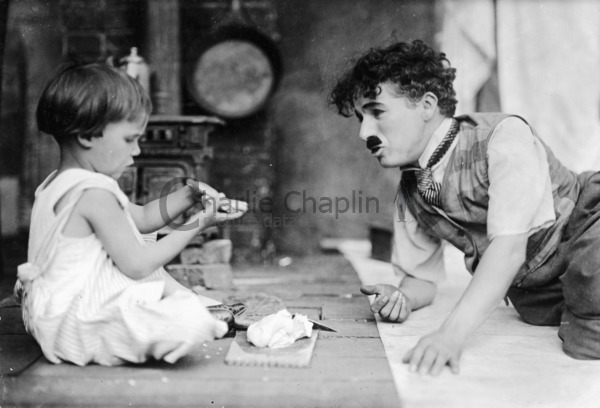
Chaplin created feature-length classics: 'The Kid' (1921), 'A Woman of Paris' (1923), 'The Gold Rush' (1925), 'The Circus' (1928), 'City Lights' (1931), 'Modern Times' (1936), and 'The Great Dictator' (1940).
Later Films
Chaplin continued with 'Monsieur Verdoux' (1947), 'Limelight' (1952), 'A King in New York' (1957), and 'A Countess from Hong Kong' (1967). These works reflected his evolving style and political views.

Music and Writing
Chaplin was also a composer and writer. He authored 'My Trip Abroad', 'My Autobiography', and 'My Life in Pictures'. He composed music for his films and songs such as 'Smile', 'Eternally', and 'You Are My Song'.
Last Years and Legacy
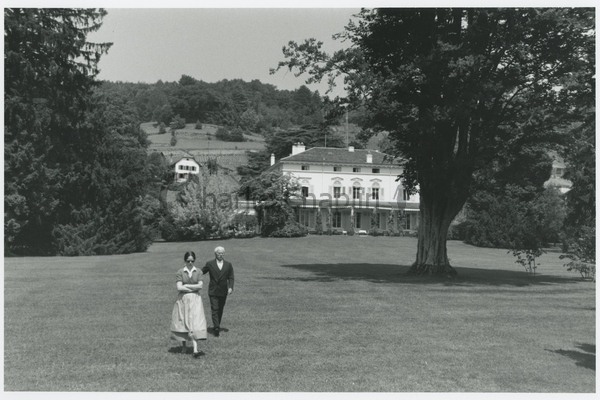
After political controversies in the U.S., Chaplin settled in Switzerland in 1952 with his wife Oona and their eight children. He lived there until his death on Christmas Day, 1977. His legacy endures as one of cinema’s greatest pioneers.
Written by Chaplin Archivist
Archivist & Silent Film Enthusiast.